
Breast Reduction
Large breasts can be associated with a number of different medical concerns, including neck, back, shoulder, and arm pain. Rashes can affect the undersurface of the breasts and patients can even develop painful grooves in the shoulder area from bra straps. Over time, large breasts become more susceptible to the effects of gravity, so the tissue can sag and the nipple position may start to turn downward. In cases like this, breast reduction surgery may be an effective solution.
At Premier Plastic Surgery & Aesthetics, our board-certified plastic surgeon, John M. Sarbak, MD, is highly experienced in performing a variety of breast procedures, including breast augmentation, breast lift, and breast reduction. Along with his professional staff, Dr. Sarbak is committed to creating a safe and comfortable environment for all his patients, where their individual needs and goals are listened to.
- What is Breast Reduction Surgery?
- Breast Reduction Benefits
- Breast Reduction Candidates
- Breast Reduction Procedure
- Breast Reduction Recovery
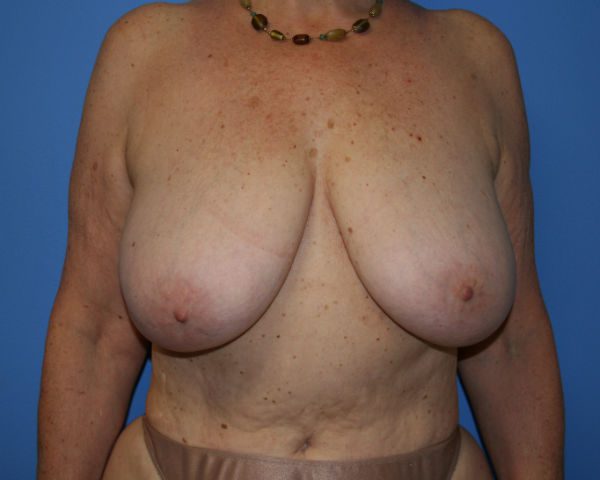
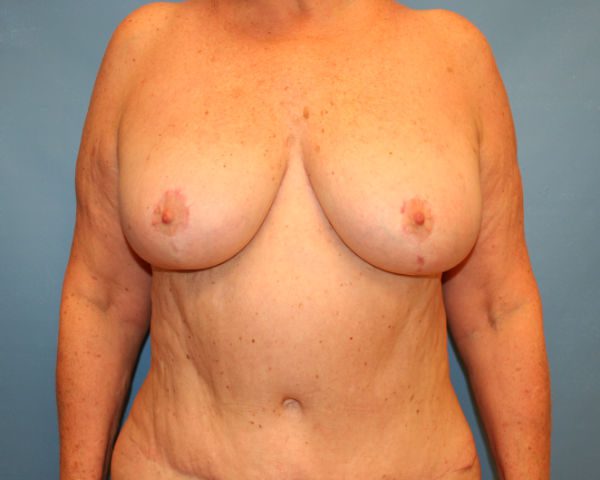
- Breast Reduction Results
- Breast Reduction Scars
- Breast Reduction Cost
What Is Breast Reduction Surgery?
Breast reduction surgery is designed to reduce the size and shape of larger breasts by removing the extra weight and reshaping the bustline. There are multiple reasons why a patient may pursue breast reduction, including:
- Alleviating neck, back, and shoulder pain
- Creating a more proportional physique
- Wanting to become more comfortable in their clothes and with their appearance
- The desire to participate in more physical activities
What Are the Benefits of Breast Reduction Surgery?
Breast reduction surgery can provide both physical relief and aesthetic improvement. Many patients experience reduced neck, back, and shoulder pain, along with improved posture and mobility. It can also make exercise and daily activities more comfortable. By removing excess tissue, this procedure often relieves skin irritation beneath the breasts and reduces bra strap grooving. Beyond physical benefits, breast reduction can enhance body proportions, making it easier to find well-fitting clothing and boosting overall confidence. Many individuals also report improved self-esteem and a better quality of life after surgery.
Who Is a Candidate for Breast Reduction Surgery?
Candidates for breast reduction surgery are typically individuals with overly large breasts that cause physical discomfort or interfere with daily life. Common concerns include chronic neck, back, or shoulder pain, skin irritation, and difficulty exercising or finding properly fitting clothing. Ideal candidates should be in good overall health, at a stable weight, and have realistic expectations about their results. This procedure may also be appropriate for both women and men, including those with enlarged male breast tissue (gynecomastia). Additionally, patients should be non-smokers or willing to quit before and after surgery to support proper healing.
A consultation with Dr. Sarbak can help determine if breast reduction is the right option for you.
What Does a Breast Reduction Involve?
The breast reduction procedure is done under general anesthesia and begins with an incision in the ideal location. The specific techniques most commonly used during breast reduction surgery are:
- Periareolar – Also known as the “donut” technique, the periareolar method involves the incision made around the areola. This approach may not be as effective for patients with greater ptosis, or breast sagginess.
- Vertical – The vertical technique entails the incision running around the edges of the areola and down to the breast crease. The method, also referred to as the “lollipop” technique, may be ideal for patients looking for moderate breast changes to their breasts.
- Inverted T – Sometimes called the “anchor” approach, the inverted T technique is often best for patients needing greater reduction and reshaping. This method utilizes the same incision path as vertical, with an additional incision done along the breast crease.
During surgery, excess skin, fat, and glandular tissue are removed. Afterwards, the nipple and areola are repositioned, and the remaining skin is tightened and recontoured. For patients who have extra tissue that extends toward the armpit, this concern can generally be addressed with liposuction.
What Can I Expect After Breast Reduction Surgery?
Recovery time may vary as patients heal along their own timelines, but patients can usually return home the same day as their procedure. Swelling, bruising, and soreness are common immediately after surgery, but typically subside over time. A supportive bra may be recommended to support the breasts and medication can be prescribed to manage discomfort. Most patients are able to return to their normal routines after a couple of weeks, but vigorous activities should be avoided for about a month.
How Long Do Breast Reduction Results Last?
Breast reduction results can be long-lasting, with most patients thoroughly enjoying their outcomes. The removed breast tissue does not grow back, so the reduction itself is considered permanent. However, natural factors such as aging, gravity, weight fluctuations, and hormonal changes (including pregnancy) can affect breast shape and size over time. Maintaining a stable weight and healthy lifestyle can help preserve results. While some gradual changes are normal, a majority of patients continue to experience lasting relief from physical discomfort and remain satisfied with their improved proportions long after surgery.
Results Gallery
What Will My Breast Reduction Scars Look Like?
As with any surgery, incisions from breast reduction surgery will result in some degree of scarring. The incision technique that’s decided on will determine what kind of scars you may have. For example, incisions made around the areola can typically blend in seamlessly. Dr. Sarbak takes great care to minimize visible scarring so that, along with a level of fading, incision marks may be less noticeable or easily concealed.
How Much Does Breast Reduction Cost?
The cost of breast reduction may vary as numerous factors can contribute to the overall price, including:
- Surgeon’s fees
- Post-surgical garments
- Anesthesia fees
- Prescription medication
Once a patient’s needs and goals have been discussed and a personalized treatment plan has been developed, Dr. Sarbak can provide patients with a customized cost quote. Also available are financing options, which allow patients to set up payment plans through CareCredit® and Alphaeon™ Credit. Additionally, some insurance companies may cover breast reduction surgery if it is medically necessary and not just a cosmetic correction.
For more information about breast reduction surgery, contact our office to schedule a consultation.