
Revision Breast Surgery
Revision breast surgery is designed for patients who are unhappy with the results of a previous breast procedure or who are experiencing implant-related complications. Since no two revision cases are the same, this procedure requires a highly individualized approach. Dr. John Sarbak, a board-certified plastic surgeon with extensive experience performing a wide range of breast procedures, carefully evaluates each patient’s concerns and goals. His expertise allows him to develop a customized surgical plan focused on restoring comfort, balance, and confidence.
- What Is Revision Breast Surgery?
- Revision Breast Surgery Options
- Revision Breast Surgery Results
- Revision Breast Surgery Cost
What Is Revision Breast Surgery?
 Revision breast surgery is a specialized procedure performed to correct or improve the results of a previous breast augmentation or other breast surgery. Patients may seek revision surgery for many reasons, including implant complications, implant rupture, or displacement, as well as changes in breast appearance over time due to aging, weight fluctuations, or pregnancy. Some patients also pursue revision breast surgery to change implant size, shape, or type, or to address aesthetic concerns like asymmetry or unsatisfactory results from an earlier procedure. Revision procedures are often more complex than primary breast surgery, meaning they typically require more extensive planning and advanced surgical expertise. The goal of revision breast surgery is to restore comfort, improve breast appearance, and achieve results that better align with the patient’s goals.
What Are My Revision Breast Surgery Options?
Saline to Silicone Implant Exchange
Sometimes after the initial breast operation (even years later) patients may experience fluctuations in their weight. In terms of breast appearance, weight loss is probably more unfavorable than weight gain. As patients become thinner, they have less tissue to cover their breast implants. Sometimes it gets to a point where the implant edges become visible and patients can benefit from removing their saline implants and switching to silicone gel for a more natural appearance. This type of exchange can also be helpful for patients who initially went with saline implants that were larger than the breast tissue envelope. When implants are wider than the base diameter of the breast, then the outer edge may become visible. Silicone implants perform better in general than saline in these situations.
Capsular Contracture
Capsule formation (the development of scar tissue around an implant) is common to all procedures involving devices made of foreign (to the body) material. It happens even in hip and knee replacements. This tissue is a barrier constructed by the body to separate itself from whatever device is implanted.
In the case of breast implants, the capsule is very thin (similar to the thickness of a standard sheet of paper). In approximately 25 % of patients this tissue surrounding the implant “squeezes” and makes the implant (which is as soft as the day that it went in) feel more firm. In 5% or so of patients this tightening can progress to a point where the breast becomes distorted and even painful. The treatment at this point is to have the scar tissue around the implant surgically removed. This allows a “fresh” start, but there is a 10% higher risk of developing the same condition in the future. Historically, less than 1% of women are unable to tolerate implants due to capsular contracture.
Breast Implant Removal
There are certain situations which necessitate implant removal. Although it is becoming more and more infrequent, there are cases of implant deflation or rupture. Some women gain weight and therefore develop extra tissue in their breasts and feel that they no longer require implants. Although it is rare, some women have difficulties with capsular contracture or infection and require implant removal. One in nine women today will unfortunately develop breast cancer in their lifetime. Existing implants may need to be removed to facilitate the treatment process. Some women just reach a place in their lives where they would like to have their implants removed.
If a patient needs to have their implants removed for the above reasons, or any other reason, the options available depend on their personal situation, as well as the amount and condition of their breast tissue and skin. If the patient elects to not have the implants replaced, the remaining breast tissue (most of the time) can be rearranged into a smaller but still shapely appearing breast.
Breast Implant Deflation
Breast implant deflation is usually associated with saline implants. If one of these implants ruptures, the saline leaks out and the implant goes flat (the body absorbs the harmless saline). This is a quick process. If the patient has a question as to whether a saline implant is ruptured or not, it probably is not. Both of the major implant manufacturers (Allergan and Mentor) have done an excellent job creating lasting quality products. Manufacturer’s defects are very rare but do happen on occasion. 95% of these implants will make it 10 years. Most implants are removed for reasons (usually trauma related) other than rupture.
Silicone implants can rupture as well. However, because of their gel nature they don’t experience the deflation that saline does. The gel tends to stay in and around the implant shell. It is not absorbed. That tendency may make it somewhat more difficult to detect a rupture. Imaging studies such as mammograms, ultrasounds, or MRI’s may be necessary to properly evaluate the implant.
Fortunately both implant companies offer “built in” and additional warranty programs that, at minimum, replace the ruptured implant and the intact implant on the other side. They also offer varying levels of financial support to cover associated surgical costs.
Previous Breast Surgery
There are a lot of variables that come into play to determine the final outcome in breast surgery. Some are surgeon-influenced, some technique-related, some patient-related, and some beyond anyone’s control. There are situations where the results are not what the patient might have expected. There are many surgeons who are performing breast surgery and are not plastic surgeons, even though they may claim they are. We see many patients of non-plastic surgeons after they have already had a problem. Having said that, patients can have an unfavorable result even from a well-respected and well-trained plastic surgeon. In most cases, it is prudent for patients to return to their original plastic surgeon if they are having a problem. They have the best idea of what surgically was done in the first place and what the original anatomy looked like. If it is not possible for patients to go back to their original plastic surgeon, or if they just don’t feel comfortable, then I am happy to assist them in any way possible.
The recent introduction of acellular dermal products have significantly expanded our ability to improve very difficult secondary breast procedures that otherwise could not have been corrected. The addition of structural fat grafting may also provide benefits that were not possible before this technique. Its potential improvement to radiation damaged tissue is especially promising. Fat grafting has the additional side effect of improving the contour of the donor site (where it is taken from) via liposuction.
How Long Do Revision Breast Surgery Results Last?
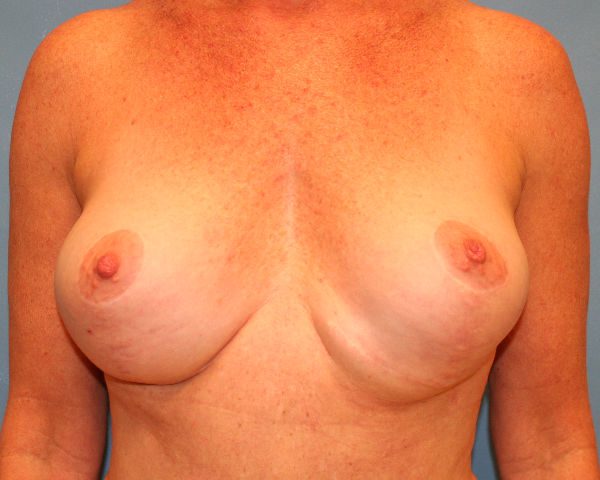
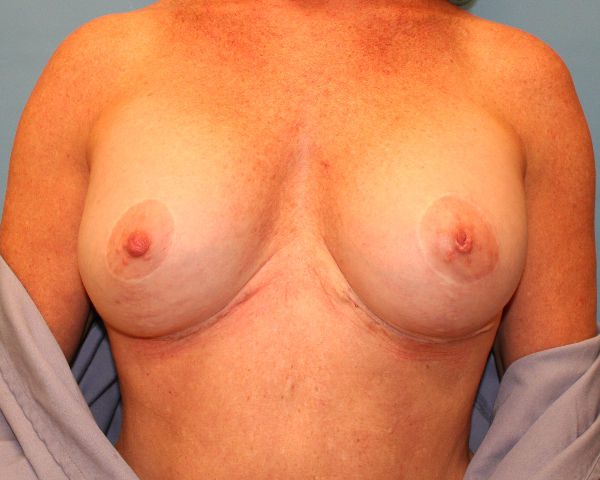
Revision breast surgery results can be long-lasting, but their longevity generally depends on several factors, including the type of procedure performed, implant selection, and individual lifestyle factors. When underlying issues such as implant complications or capsular contracture are properly addressed, results can last many years. However, natural aging, weight fluctuations, pregnancy, and gravity can continue to affect breast appearance over time. While implants are not considered lifetime devices, many patients enjoy durable, satisfying results and may not require further surgery for a decade or longer. Regular follow-up with Dr. Sarbak can help maintain optimal outcomes.
How Much Does Revision Breast Surgery Cost?
The cost of revision breast surgery can vary widely, as each procedure is tailored to the patient’s unique needs and surgical goals. Since revision breast surgery tends to be more complex than primary augmentation, the overall cost depends on several individualized factors, including:
- The reason for revision and complexity of the procedure
- Whether implant removal, replacement, or additional correction is needed
- The type of implants selected, if applicable
- Surgical time and anesthesia requirements
- Facility fees and post-operative care
A personalized consultation is the best way to determine the overall cost of revision breast surgery. During this visit, Dr. Sarbak can evaluate your concerns, discuss treatment options, and provide a detailed estimate based on your surgical plan. We also offer financing options for qualified applicants to help make payments more manageable.
If you are considering revision breast surgery, scheduling a consultation is the first step toward achieving results that better align with your goals. Contact our office today to meet with Dr. Sarbak and learn how a personalized revision plan can help restore your comfort and confidence.